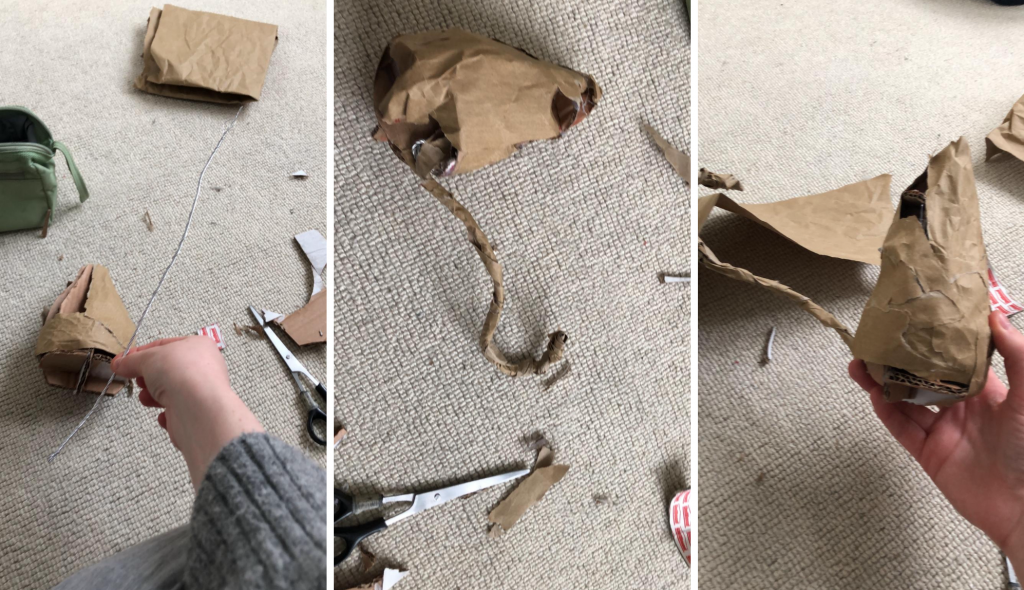
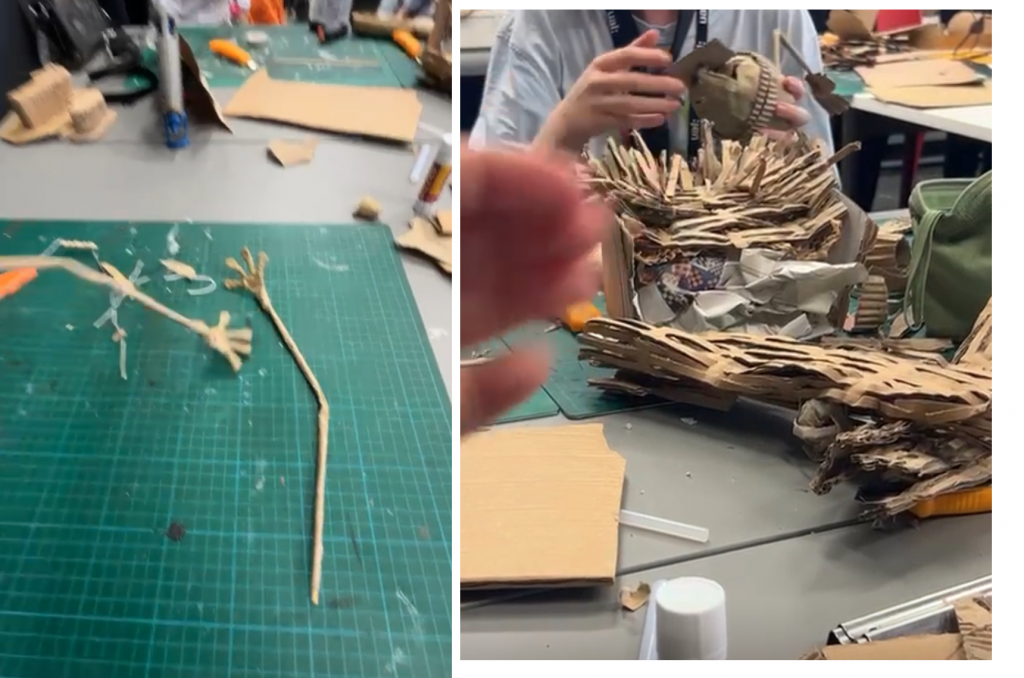
Aemilia making the tail of El Cato
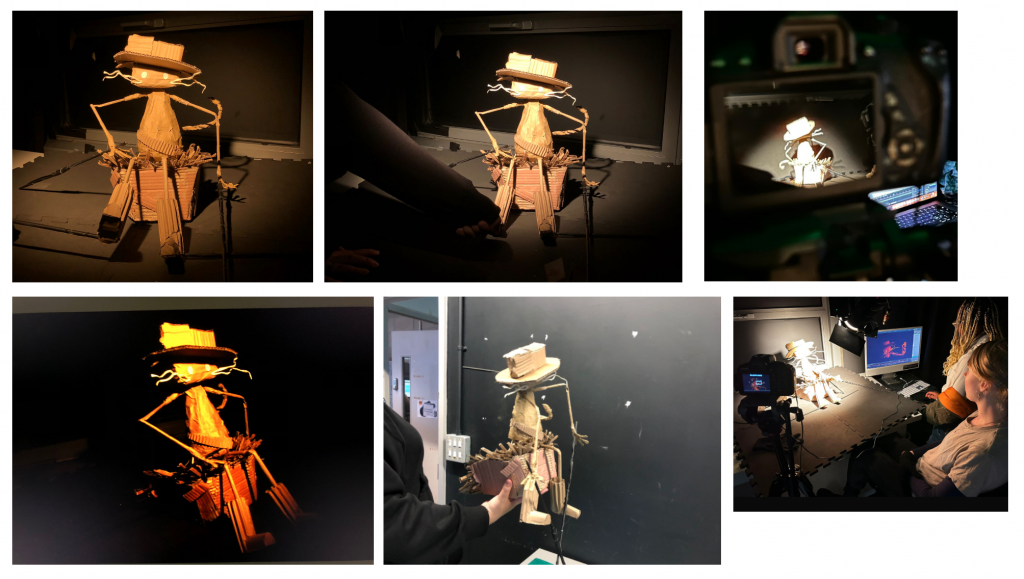
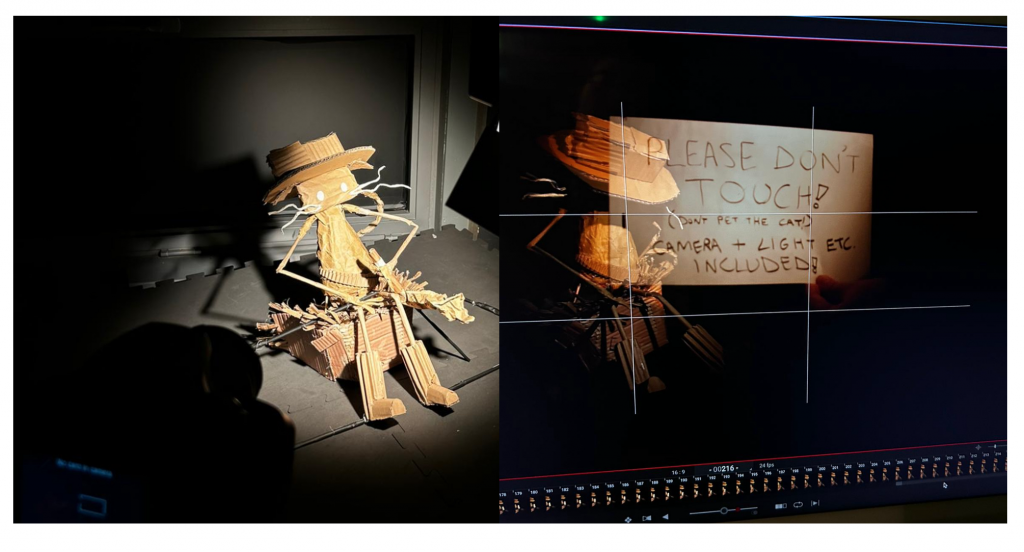
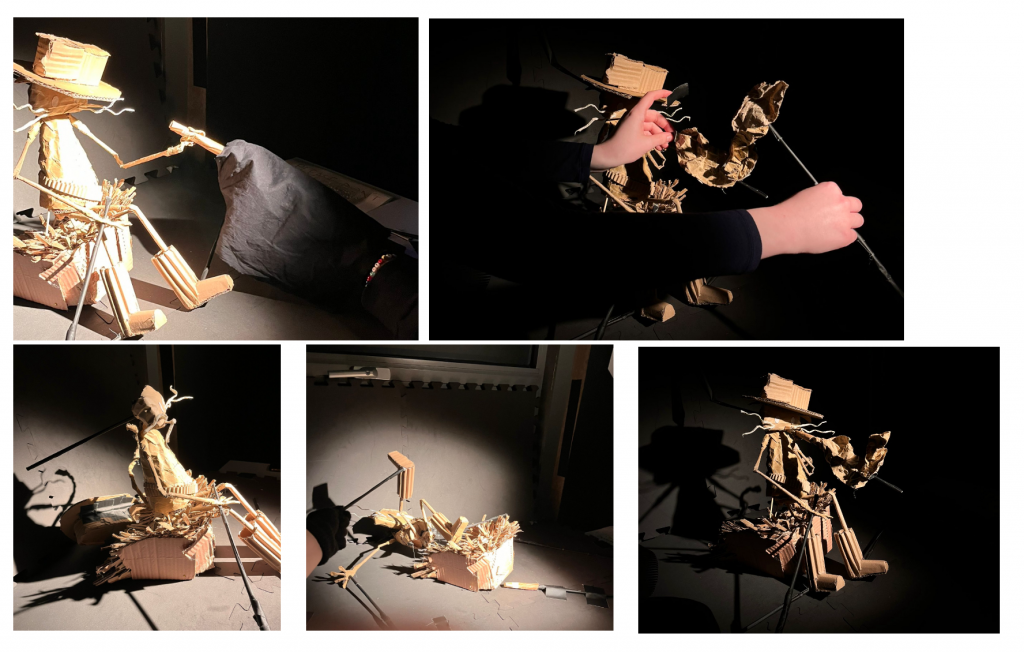
The smoke was the most difficult part of the animation to figure out. We realised afterwards that we should have probably had the smoke run up one of the black poles, so we could have puppeteered it. However, we decided to cover the smoke in black tape. This actually looked really cool because although the tape was visible, it left a greyish tone behind, making it look more like the remnants of smoke.
We also thought that the fall would be the most difficult shot to animate, but it was one of the easiest because El Cato moved in such a natural way due to the way his joints were constructed with string and tape.
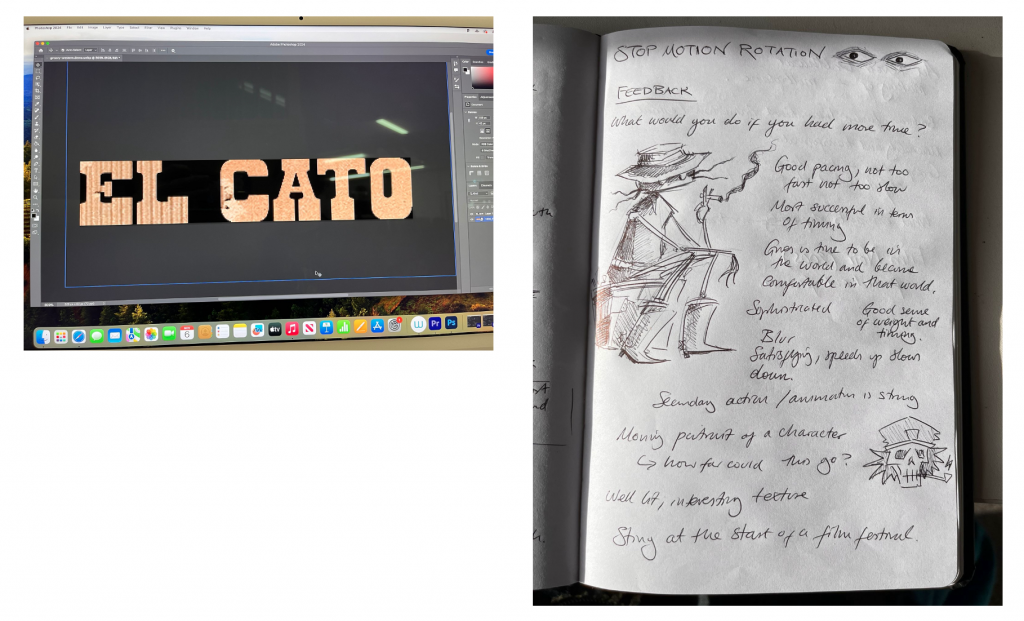
- feedback
Evaluation of Stop Motion Rotation
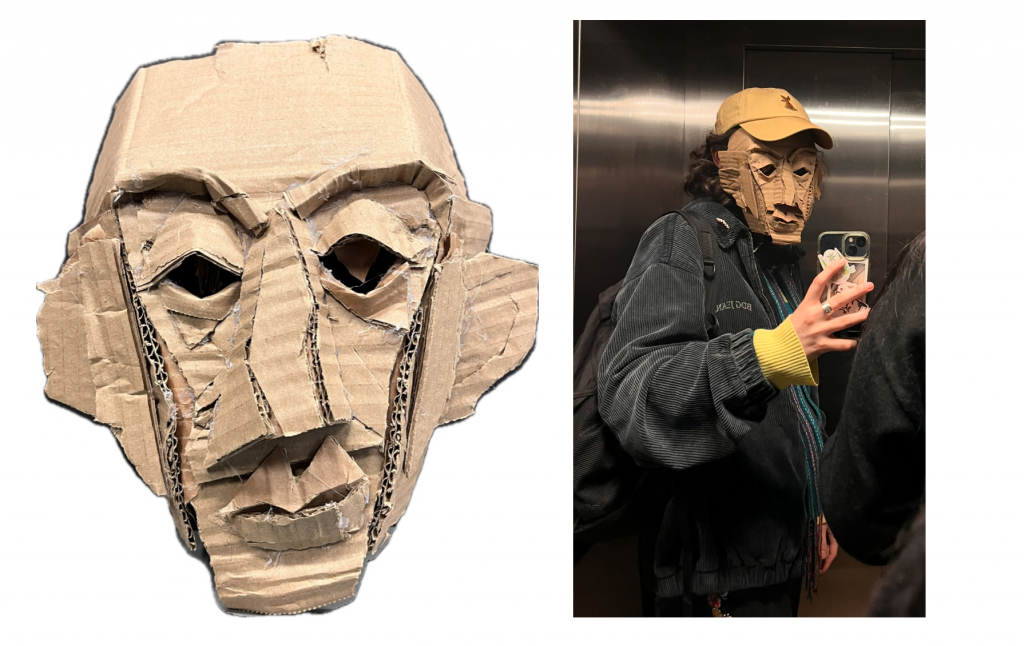
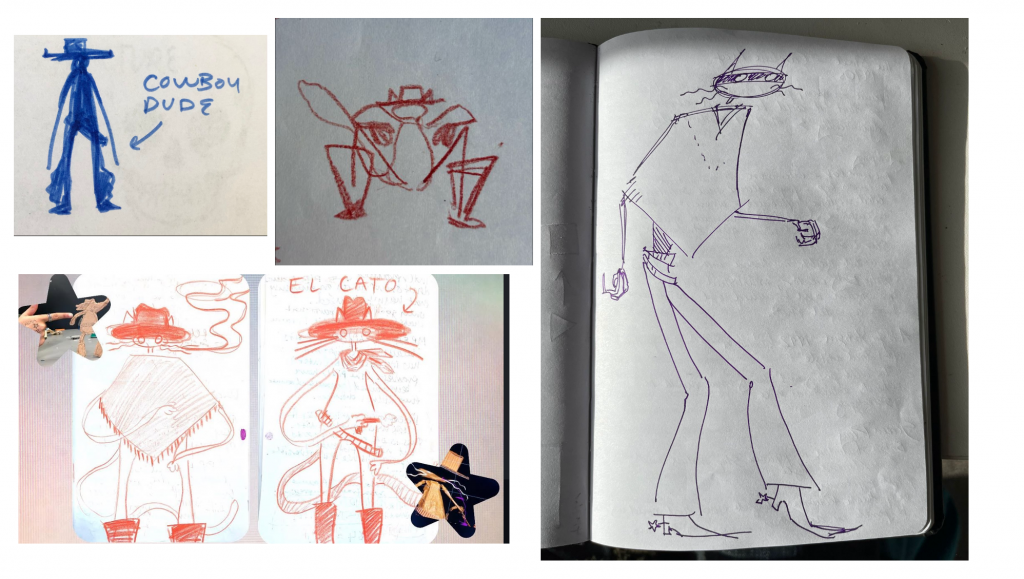
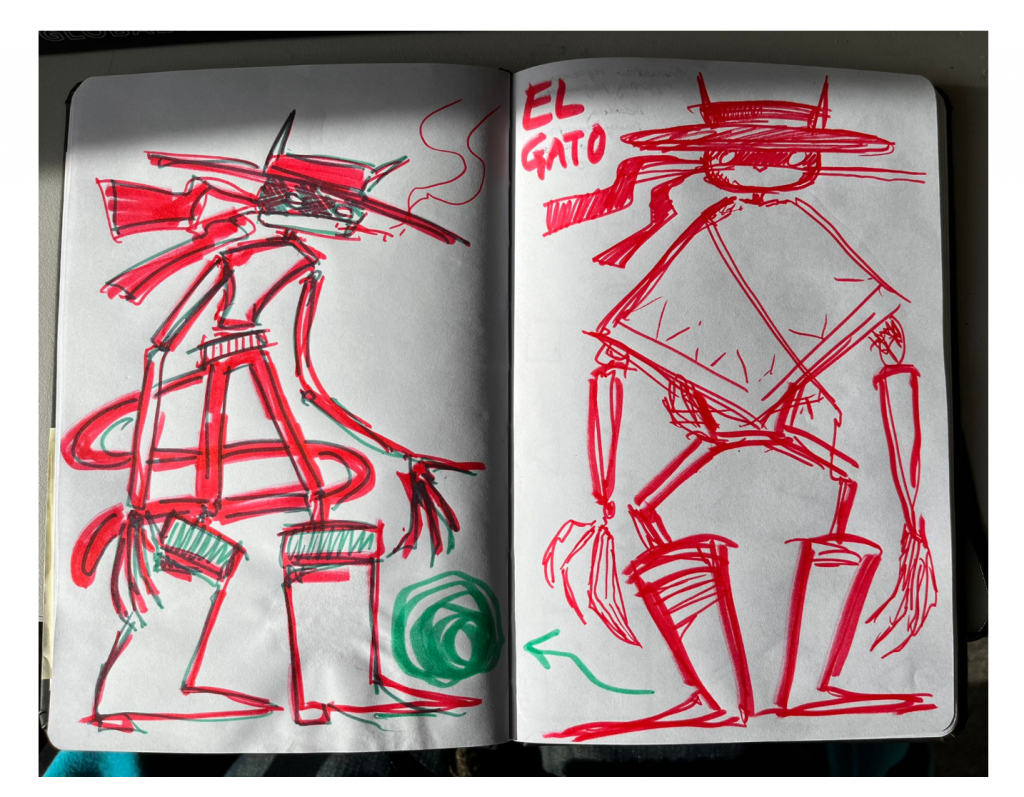
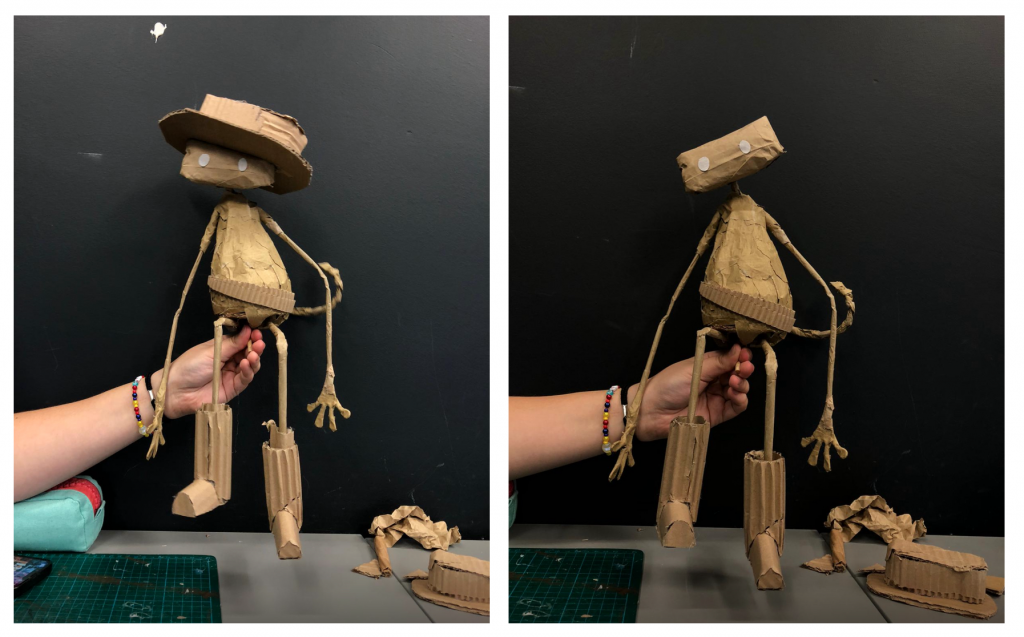
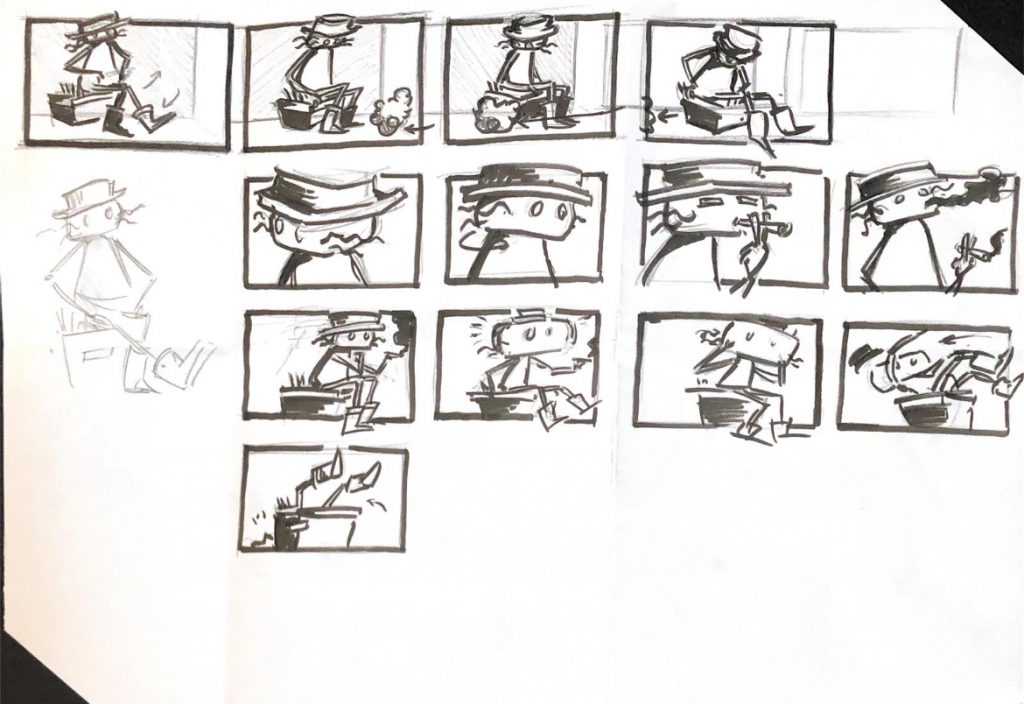
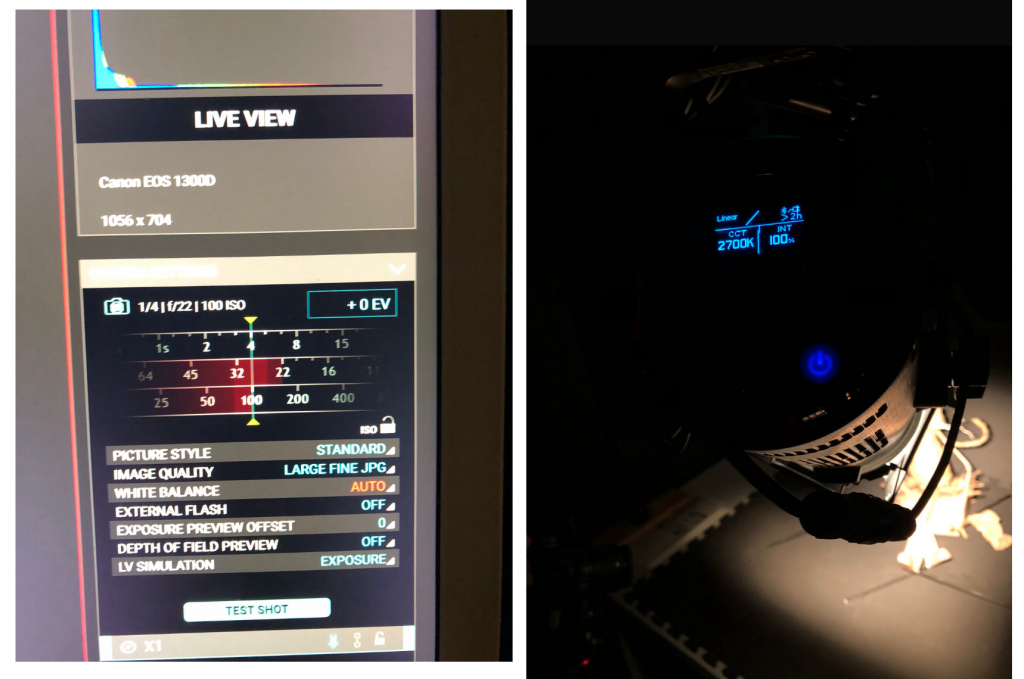
One of my favourite parts of this rotation was how we got to experiment with one material – cardboard. Early on we created cardboard faces and just being able to rip apart a load of cardboard to create different textures was really fun for me. Our final film was a group project, and I think that this outcome was my favourite from across the rotations. Working in a group helped me with the conceptual part of this rotation – coming up with a character, as this is the area that if I was working alone, would have taken a long time. However, we collectively came up with the character El Cato very quickly, which meant that we could get into production immediately. I had to visit my family during build week, but when I was able to be in class I helped with sketches for character design, especially his big boots which I designed and made. I thought that having massive feet would make his actions an exaggeration, especially when he fell backwards. I loved working with this group, because we all got involved with animating, as we were all very passionate about our character and bringing him to life. We animated over two days and had to retake some shots because we focused heavily on the timing. Ultimately, this paid off, because our feedback was that the film was well-paced. After all, it gives the viewer time to get immersed in El Cato’s world., creating a ‘moving portrait of a character’. I think that during our process we could have experimented further with materials, as we had one shot that was quite indulgent in exploring the materiality of the ‘straw’ cardboard, but the rest was very character-driven. This was because we created a shot list in the form of a storyboard that I drew, which helped keep track of the story progression, making sure we finished the film within two days. Each of us had a task when it came to animating but we swapped around roles a lot. Maya worked on Dragonframe and made sure we were moving everything correctly, Aemilia animated the secondary action of the tail, and Rhianna and I animated arms and legs the majority of the time. In this way, we worked very well as a group and I think that experience shows in the film.